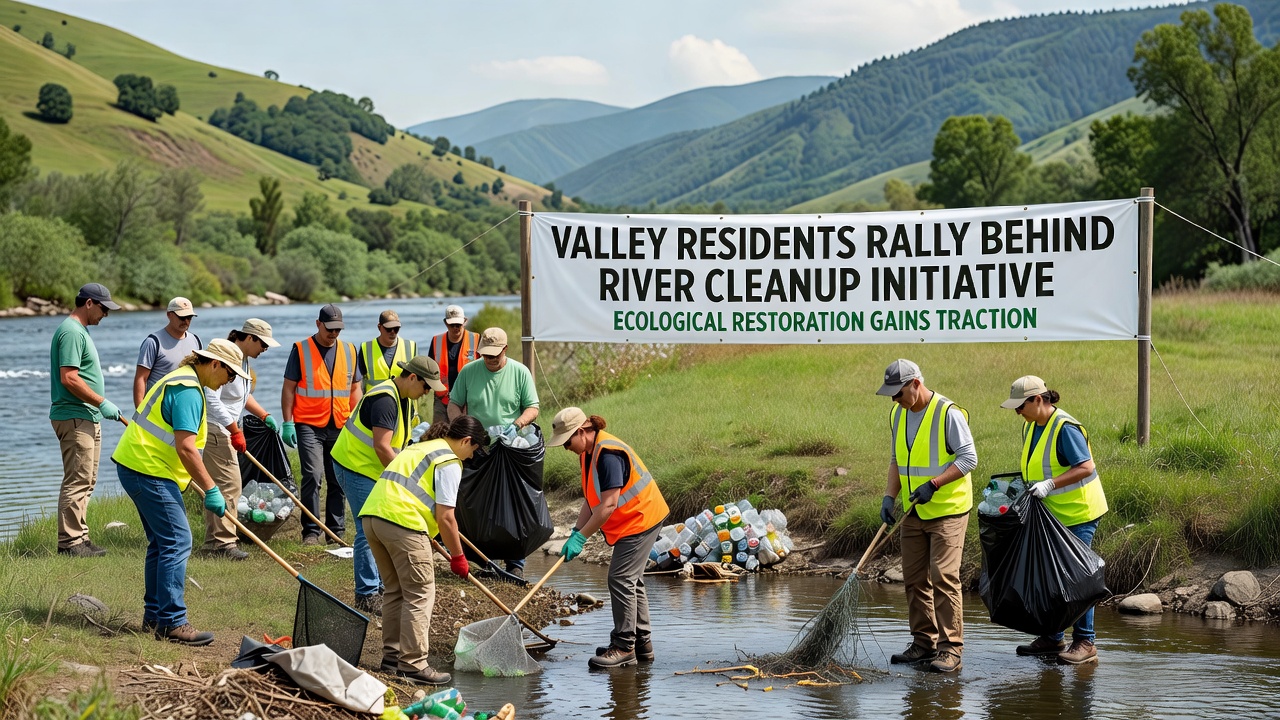
Elena Peters · 26 September 2026
Valley Residents Rally Behind River Cleanup Initiative as Ecological Restoration Gains Traction
Valley residents have organized around a river cleanup initiative that continues to build support as ecological restoration projects expand throughout the area, with local groups coordinating efforts that address pollution buildup along waterways and restore natural habitats for native species. Data from regional monitoring programs shows that targeted cleanups have removed substantial volumes of debris in recent years, while partnerships between community volunteers and environmental agencies have accelerated habitat recovery in affected stretches of the river.
Origins of the Community-Led Effort
Residents first mobilized after repeated observations of litter accumulation and industrial runoff impacting water quality, prompting formation of volunteer networks that now host regular collection events. According to records maintained by local environmental tracking systems, these groups have documented over 200 tons of waste extracted from the river system since the initiative began, with a focus on plastics, metals, and chemical contaminants that disrupt aquatic ecosystems. The effort draws on established restoration techniques that prioritize native plant replanting along eroded banks, a method endorsed in guidelines from the US Environmental Protection Agency for improving stream stability and biodiversity.
Coordination with regional authorities has provided access to specialized equipment and disposal services, allowing larger-scale operations than earlier informal cleanups. Observers note that participation rates have risen steadily, with hundreds of volunteers attending each session and contributing to measurable improvements in water clarity and fish populations reported in annual surveys.
Key Activities and Participation Trends
Monthly events combine hands-on removal of debris with educational workshops that cover topics such as invasive species identification and water sampling protocols. Groups have expanded their reach by incorporating school programs, where students collect data on macroinvertebrate populations that serve as indicators of ecosystem health. Figures from the Australian Department of Climate Change, Energy, the Environment and Water reveal similar community-driven projects have achieved up to 40 percent gains in riparian vegetation cover within five years when sustained volunteer involvement is maintained.
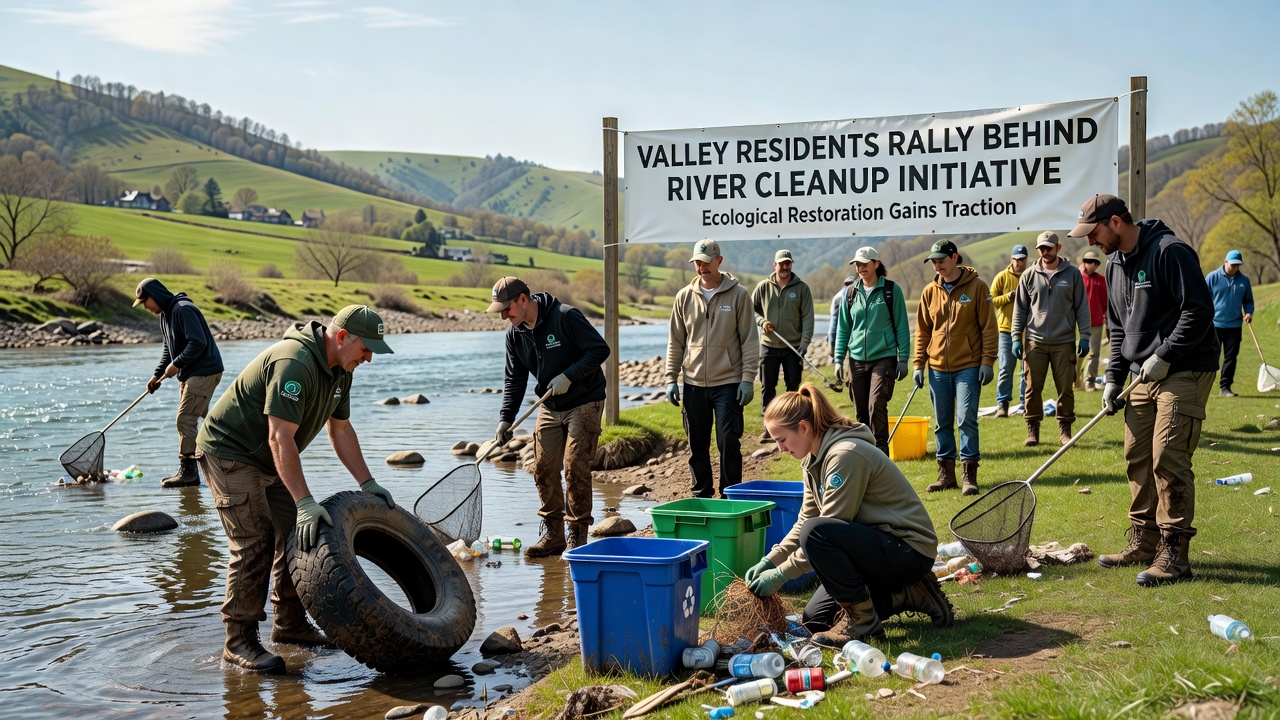
Equipment loans from nearby conservation districts have enabled deeper access to river sections previously difficult to reach, while safety training sessions ensure compliance with established protocols. Data collected during these activities feeds into broader databases used by scientists to model long-term recovery trajectories, highlighting how localized actions contribute to regional watershed improvements.
Ecological Outcomes and Supporting Research
Restoration metrics indicate rising numbers of returning species, including several fish and bird populations that had declined due to prior habitat degradation. Studies conducted through university-affiliated monitoring stations have linked cleanup frequency to reductions in nutrient loading, which in turn supports healthier algal balances and oxygen levels essential for aquatic life. Research published by institutions in Canada has shown parallel results where consistent community intervention reversed sedimentation trends within comparable valley systems.
Partnerships extend to private landowners who grant access for buffer zone plantings, creating contiguous green corridors that stabilize soil and filter runoff before it reaches the main channel. These zones also provide corridors for wildlife movement, a factor emphasized in habitat connectivity reports from multiple international environmental bodies.
Events Scheduled for September 2026
A large-scale restoration weekend is set for September 2026, featuring expanded cleanup zones, public demonstrations of water quality testing, and planting of thousands of native seedlings along priority stretches. Organizers have secured additional funding through grants tied to national ecological targets, allowing for professional oversight during the multi-day event. Registration data indicates strong advance interest, with capacity limits already approaching for certain activity blocks.
Workshops during the weekend will cover topics ranging from citizen science data upload procedures to long-term maintenance strategies for restored sections. The timing aligns with seasonal low-flow conditions that facilitate safer access and more effective debris removal across exposed riverbeds.
Conclusion
Community momentum behind the river cleanup initiative continues to translate into tangible ecological gains, supported by structured volunteer programs and data-driven approaches to restoration. Ongoing collaboration between residents, agencies, and research entities sustains progress toward healthier waterways, with the September 2026 event positioned to mark another milestone in these collective efforts.