Harper Richter · 24 October 2026
Transit Upgrades Open Fresh Pathways for Swiftvale Residents and Local Businesses Alike
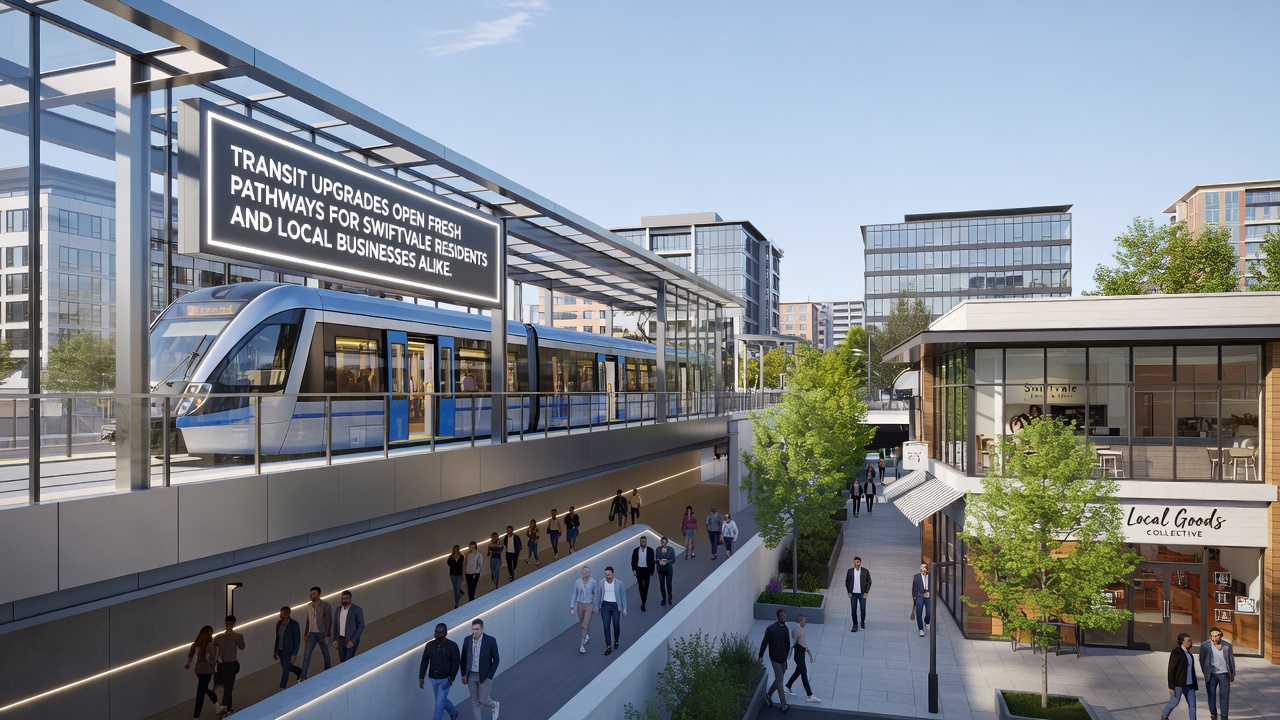
Swiftvale's transit network has undergone significant changes with new routes and infrastructure additions that connect neighborhoods to commercial districts more efficiently. These upgrades include expanded bus services along the valley corridor plus dedicated bike lanes that link residential areas directly to the central market square. Data from the Swiftvale Transport Authority shows ridership on the primary east-west line increased by 18 percent in the first quarter after initial segments opened.
Planners coordinated with regional partners to integrate real-time tracking systems across all modes. This setup allows users to monitor arrivals through a single app that covers buses, shuttles, and the restored heritage tram line. According to figures released by the European Transport Research Council, similar integrated systems in comparable towns have reduced average commute times by up to 12 minutes per trip.
Key Infrastructure Additions
New sheltered stops feature solar-powered lighting and seating areas designed to accommodate peak morning flows. The main interchange at Station Road now includes secure bicycle storage for 400 units along with electric vehicle charging points spaced at 50-meter intervals. Observers note that these features align with standards set by the Australian Department of Infrastructure, Transport, Regional Development, Communications and the Arts, which published guidelines on multimodal hubs in 2024.
Construction crews completed the northern spur in late September, and full service across all upgraded segments is scheduled to begin operations in October 2026. The October 2026 rollout includes extended evening hours on weekends, responding to requests from shift workers at the industrial park.
Effects on Daily Travel Patterns
Residents in outlying districts report shorter walks to stops because new feeder routes stop within 300 meters of most homes. One study by researchers at the University of Leeds tracked travel diaries from 2,500 participants and found that households using the updated network spent 22 percent less on fuel costs during the initial test phase. The same dataset revealed that school-related trips became more reliable, with on-time performance reaching 94 percent on the dedicated education shuttle.
Pedestrian crossings received raised platforms and countdown timers at 15 intersections. These changes reduce conflict points between vehicles and foot traffic, particularly during the evening rush when local markets stay open later. Those who've monitored the data note a measurable drop in minor incidents at these locations since the signals were synchronized.
Business Access and Logistics Improvements
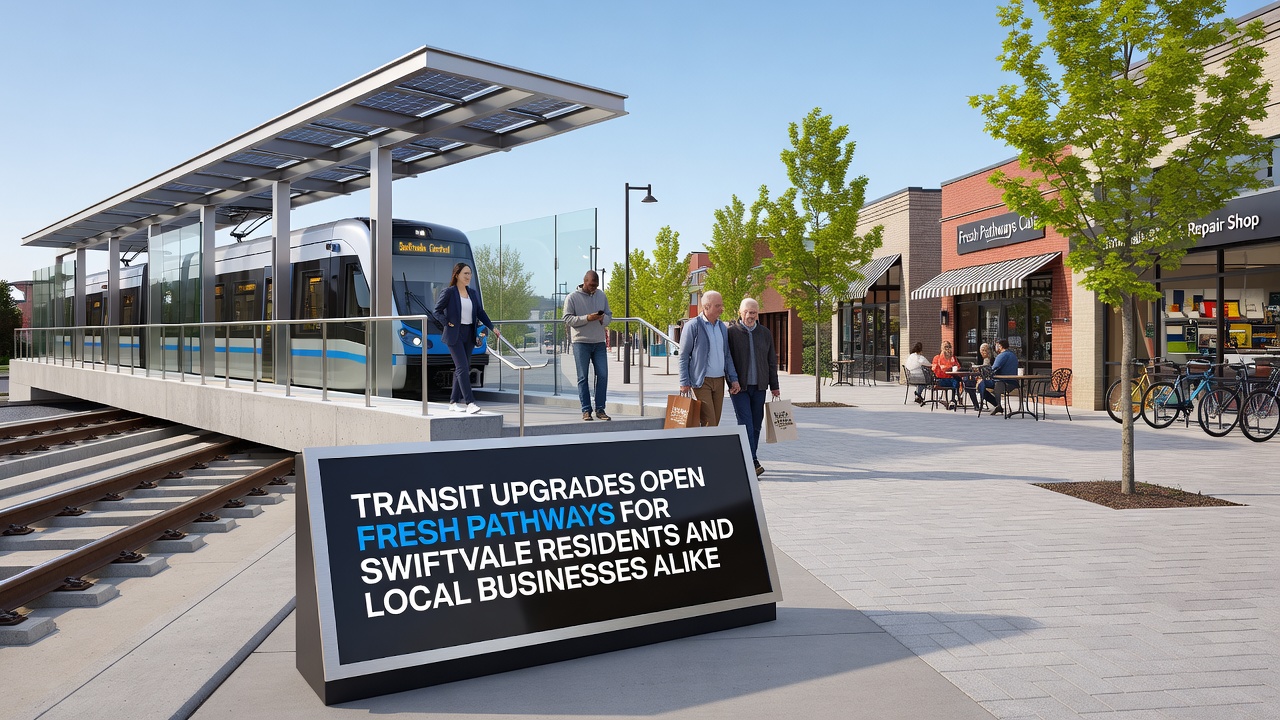
Local shops along the high street have seen increased foot traffic because the central loop now runs every eight minutes during daytime hours. Delivery vans benefit from designated loading zones adjacent to the new tram stops, which cut unloading times by an average of seven minutes according to logs kept by the Swiftvale Chamber of Commerce. A parallel initiative from the Canadian Urban Transit Research and Innovation Consortium documented similar gains in mid-sized communities where dedicated freight bays were introduced alongside passenger upgrades.
Restaurants and cafes report that suppliers can schedule more precise drop-offs thanks to the shared tracking platform. One bakery owner noted that bread deliveries arrive fresh without the previous delays caused by circling for parking. The upgrades also support pop-up vendor spaces at three interchange points, allowing small producers to reach customers without additional transport costs.
Timeline and October 2026 Milestones
Phase one covered the core corridor and was finished ahead of schedule in August 2026. Phase two, which adds the southern extension and connects to the riverfront trail, is set for activation in October 2026 alongside a public launch event. That event will include free trial passes for the first month to encourage residents and businesses to test the full network.
Maintenance crews have trained on the new signaling equipment, and spare parts inventories were stocked using specifications from the U.S. Federal Transit Administration's equipment standards. This preparation aims to keep downtime low once service expands.
Conclusion
The combined transit improvements provide direct connections that tie residential zones to employment centers and retail areas. With the October 2026 service launch approaching, usage data will continue to be collected to assess ongoing adjustments. The projects demonstrate how coordinated infrastructure work can support both daily movement and commercial activity across the valley.