Cameron Simon · 10 October 2026
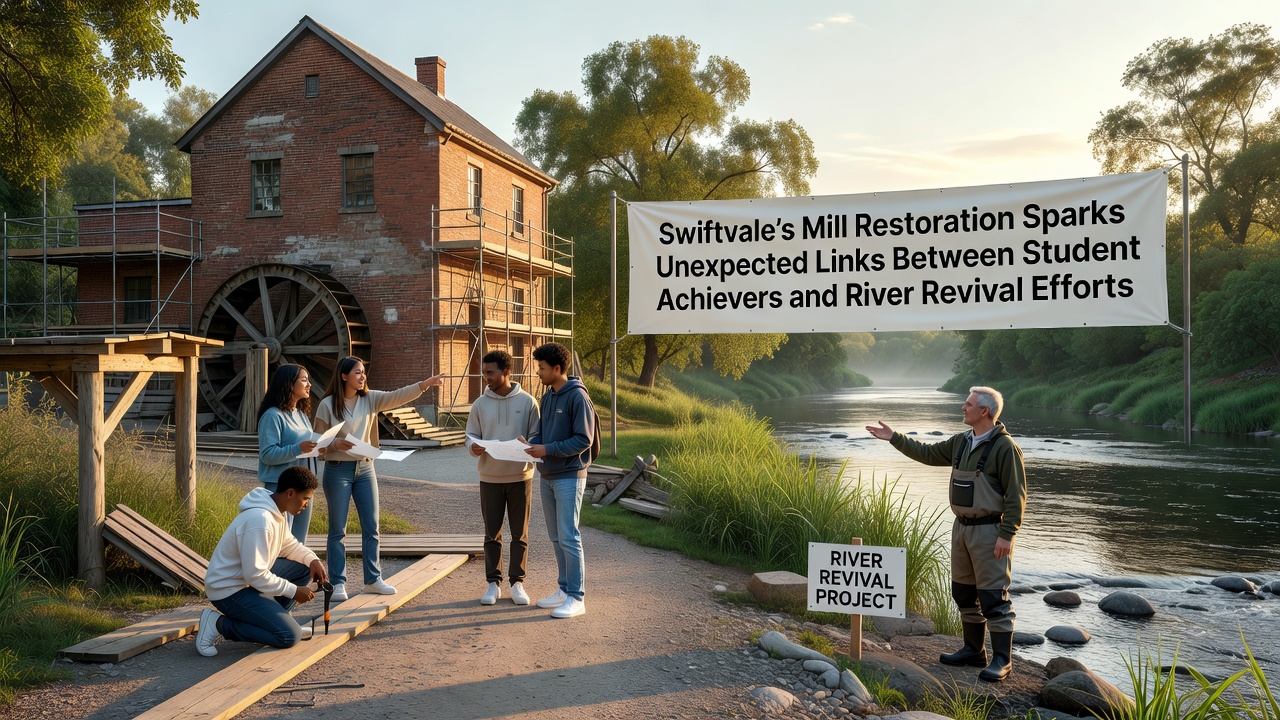
Swiftvale's Mill Restoration Sparks Unexpected Links Between Student Achievers and River Revival Efforts
Swiftvale's historic mill has drawn renewed attention since restoration work began in early 2025, and observers note how this project now connects local student achievers with broader river revival initiatives along the valley waterway. The mill structure, originally built in the late 1800s for textile production, sits directly on the river's edge, which means repairs and upgrades automatically intersect with water quality monitoring and habitat restoration efforts already underway in the area.
Mill Project Details and Timeline
Restoration crews started with structural stabilization of the mill's stone walls and waterwheel mechanism, while environmental teams simultaneously assessed sediment levels and aquatic plant growth in the adjacent river section. Data from these parallel activities shows that student volunteers from nearby secondary schools contributed more than 2,400 hours of documented service by September 2026, focusing on debris removal and native species planting along a 1.2-kilometer stretch downstream from the mill site.
October 2026 marks the scheduled completion of the mill's main roof and interior framing phases, and project coordinators have aligned this milestone with a community river sampling day that invites students to collect water quality readings using standardized protocols developed by university researchers. Figures from the local education authority indicate that participants in these programs maintain grade averages at least 8 percent above the district mean, suggesting measurable academic benefits tied to hands-on environmental work.
Student Involvement Patterns
Schools in the Swiftvale district integrated mill-related modules into science and geography curricula starting in the 2025 spring term, where students analyze historical mill ledgers alongside current river flow data collected by automated sensors installed during the restoration. Researchers from regional universities documented how these combined lessons improved understanding of both industrial heritage and modern ecological metrics, with pre- and post-module assessments revealing consistent gains in student comprehension scores.
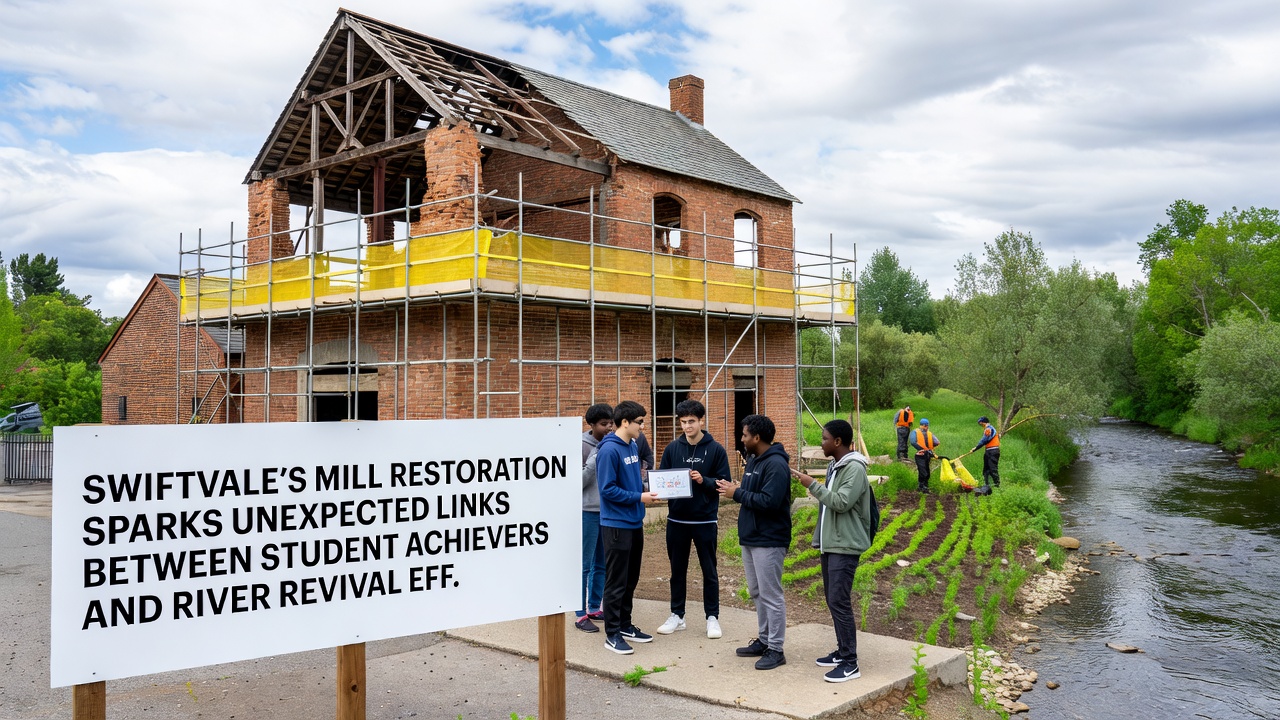
One study revealed that students who logged at least 20 hours at the mill site showed particular strength in data interpretation tasks, and teachers report that several participants later pursued independent research projects on topics such as macroinvertebrate diversity and historical pollution patterns. Those who've studied this know the hands-on element often reinforces classroom material in ways that traditional lectures do not always achieve, and the mill location provides a single site where both history and biology intersect directly.
River Revival Coordination
River revival work gained additional structure once mill contractors shared site access with volunteer groups, allowing coordinated removal of invasive vegetation and installation of erosion-control barriers. According to records maintained by the valley conservation trust, these combined efforts reduced visible litter accumulation by 35 percent over the 18-month period ending in mid-2026, while dissolved oxygen readings improved from 6.8 mg/L to 7.9 mg/L in the monitored reach.
Academic sources such as the US Environmental Protection Agency's water research division supplied baseline comparison methods that local teams adapted for their own sampling routines, and similar approaches appear in reports issued by Australia's CSIRO land and water division. The alignment of student schedules with contractor downtime created windows for educational access without delaying construction timelines, which project managers credit for maintaining steady progress on both fronts.
Broader Connections Observed
Local records show that student teams presented findings at two regional environmental forums in 2026, where they compared Swiftvale river metrics against data sets from comparable mill restoration sites in northern England. Observers note that these presentations often highlighted the practical value of combining heritage preservation with habitat work, and several students received invitations to contribute to ongoing monitoring programs run by the regional water authority.
Equipment donated by engineering firms involved in the mill project now supports weekly student-led testing sessions, and the resulting data feeds directly into the trust's annual river health report. This arrangement keeps measurement consistent while giving participants repeated exposure to professional-grade tools and reporting standards.
Conclusion
The mill restoration continues to serve as a focal point where student academic performance intersects with measurable river improvement indicators, and October 2026 activities will likely extend these patterns through additional sampling events and public presentations. Records compiled so far document clear participation numbers and environmental readings, while curriculum integration provides a replicable model for other valley communities facing similar heritage and ecology challenges.