Harper Richter · 12 September 2026
Local Artists and Farmers Forge Ties Through Swiftvale's Historic Mill Initiative
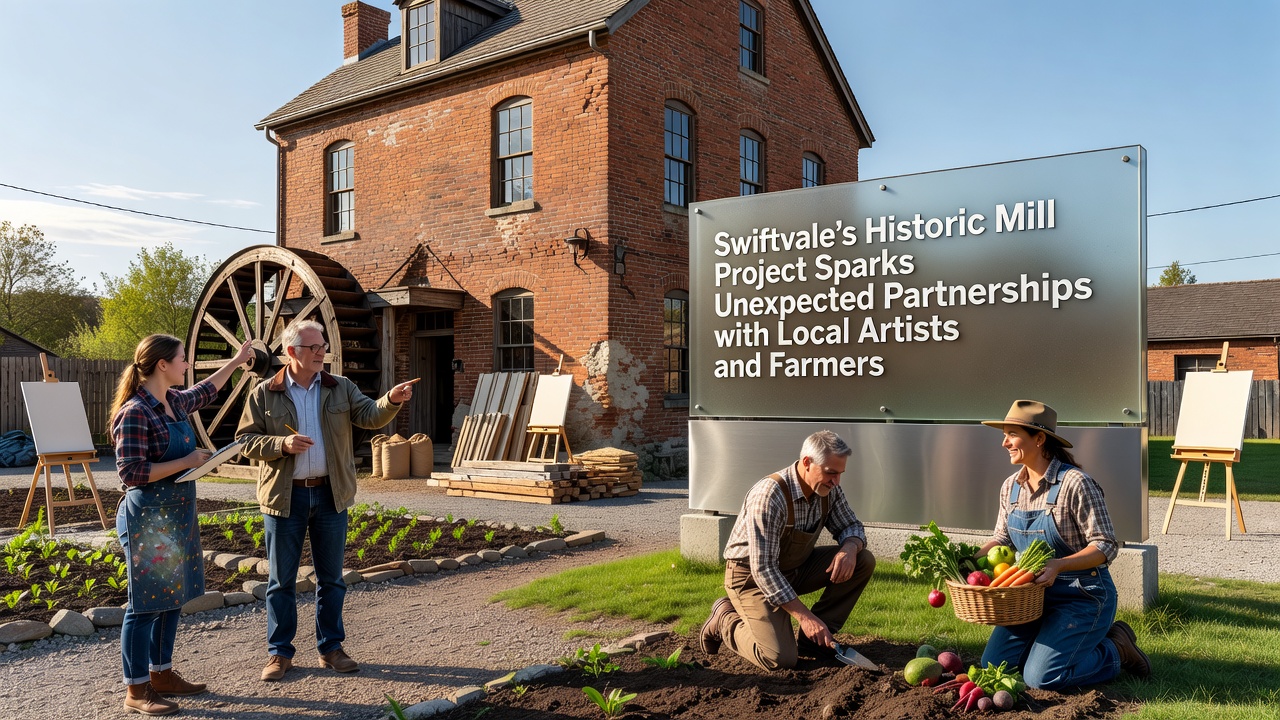
The Swiftvale mill restoration project, launched in 2024, has evolved into a hub where local artists collaborate with farmers on shared initiatives that blend creative work with agricultural practices, and the site now hosts workshops that draw participants from across the region while the original structure undergoes careful preservation work to maintain its Victorian-era features.
Restoration crews completed structural assessments by late 2025, and project coordinators subsequently invited community groups to propose joint uses for the space, which led to proposals involving textile dyeing with natural plant dyes sourced from nearby farms along with sculptural pieces constructed from reclaimed timber and harvest byproducts.
Project Background and Timeline
Records from the Swiftvale heritage committee show the mill operated continuously from 1852 until its closure in 1978, after which the building stood vacant for decades, and funding secured through regional development grants enabled the current effort that prioritizes adaptive reuse over demolition. Work progressed in phases, with the first stage focusing on roof repairs and foundation stabilization that finished ahead of schedule in March 2025, while later stages incorporated input from both artistic collectives and agricultural cooperatives to ensure the site could support mixed programming.
By spring 2026, several pilot activities had already taken place, including a series of outdoor installations created by artists using wool and flax supplied by three local farms, and these pieces remained on display through the summer months before being incorporated into permanent exhibits inside the main hall.
Partnership Details and Activities
Farmers contribute raw materials such as dried herbs for natural pigments and surplus timber for framing, whereas artists provide designs that highlight the mill's industrial past alongside current farming methods, and the resulting works appear in rotating displays that change quarterly. Joint events scheduled for September 2026 include a harvest-themed open day where visitors can observe live demonstrations of both traditional milling techniques and contemporary printmaking processes that use farm-grown dyes.
One study from the European Rural Development Network examined similar heritage sites and found that cross-sector collaborations increased local material reuse rates by 35 percent over five years, and Swiftvale organizers referenced those findings when planning their own supply chains. Data from the Australian Heritage Commission further indicates that community-led projects at historic locations often sustain longer-term economic activity when agricultural partners remain involved from the outset.
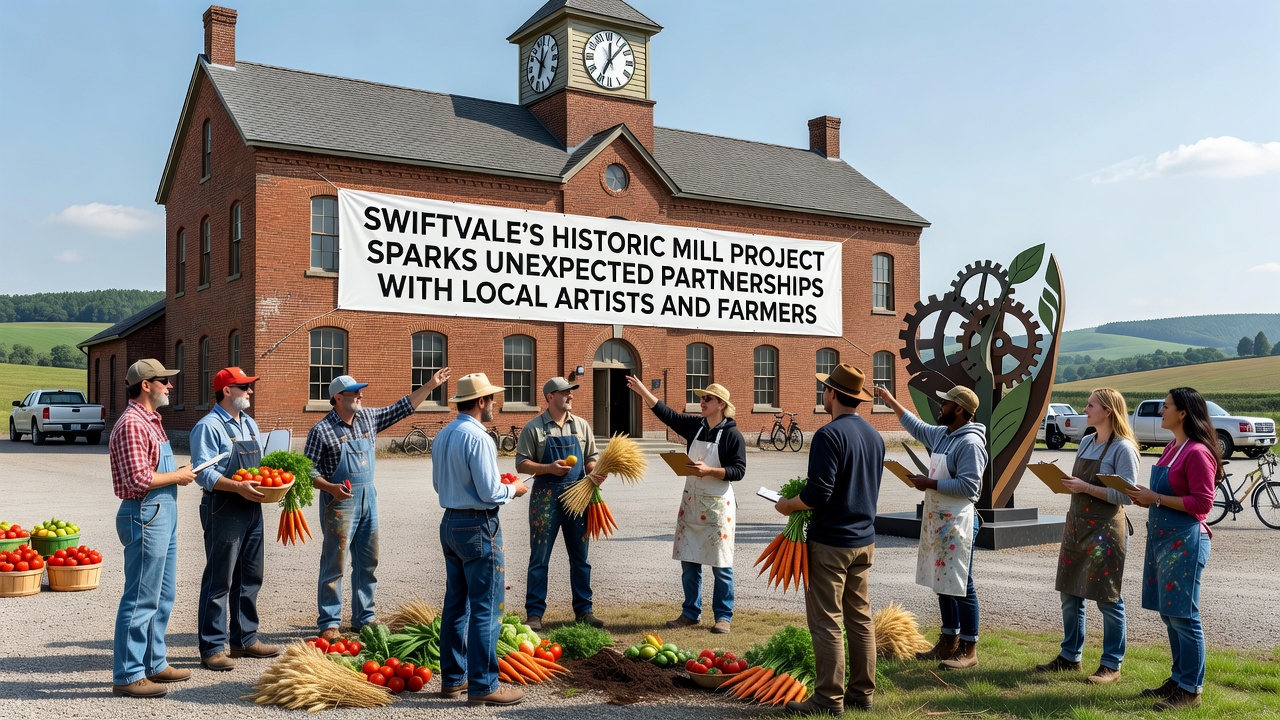
Coordination meetings occur monthly at the mill, bringing together representatives from artist guilds, farm cooperatives, and preservation specialists who review progress on shared installations and adjust plans based on seasonal agricultural cycles, while additional support comes from the Canadian Arts and Heritage Fund which provided matching grants for equipment purchases in 2025.
Community Impact and Future Plans
Attendance figures at the first combined workshop series reached 420 participants over six weekends, according to records kept by the Swiftvale tourism office, and feedback collected through anonymous surveys showed high interest in repeat visits when new material combinations appear. Local suppliers report steady demand for their products used in the installations, creating a reliable secondary market that supplements primary farm income without requiring additional land use.
Upcoming phases scheduled after September 2026 call for expanded educational programs aimed at schools, where students will learn both historical milling processes and modern sustainable farming techniques through hands-on sessions led by the partnered artists and farmers, and organizers expect these programs to run year-round once the main exhibition space receives its final climate-control upgrades.
Conclusion
The Swiftvale mill initiative continues to develop through these layered partnerships that connect creative practice with agricultural resources, and project documentation maintained by the heritage committee shows measurable increases in material sharing and event participation that align with patterns observed at comparable sites internationally. Ongoing monitoring will track how the collaborations evolve once the September 2026 events conclude and new programming begins.